
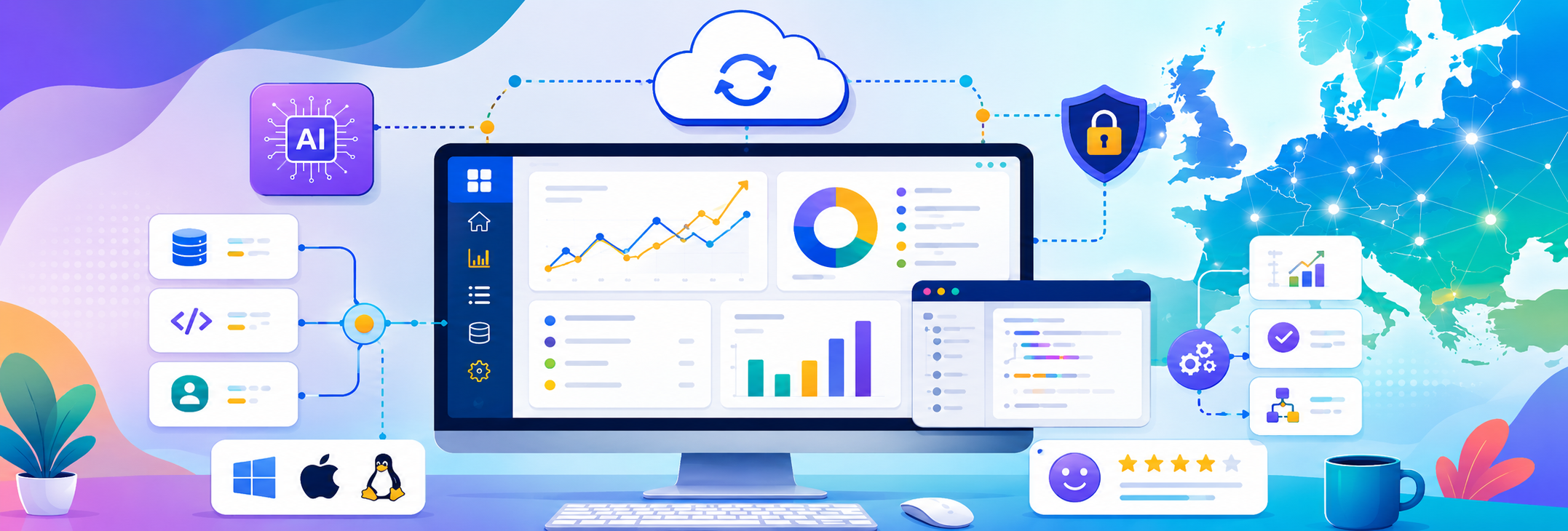
Many businesses throughout Europe are investing heavily in modern Desktop Application Development Services to support complex operations that web and mobile platforms cannot always handle efficiently.
While cloud technology continues to expand, desktop applications remain essential across industries that require performance, security, reliability, and advanced functionality.
The desktop applications of 2026 look very different from the software that businesses relied on a decade ago. They are faster, smarter, more connected, and often integrated directly into larger digital ecosystems.
Why Desktop Applications Still Matter in 2026
Despite the rise of cloud platforms, desktop software continues to offer advantages that many organizations cannot ignore.
- Higher processing power
- Offline functionality
- Enhanced security controls
- Faster access to local resources
- Better performance for complex operations
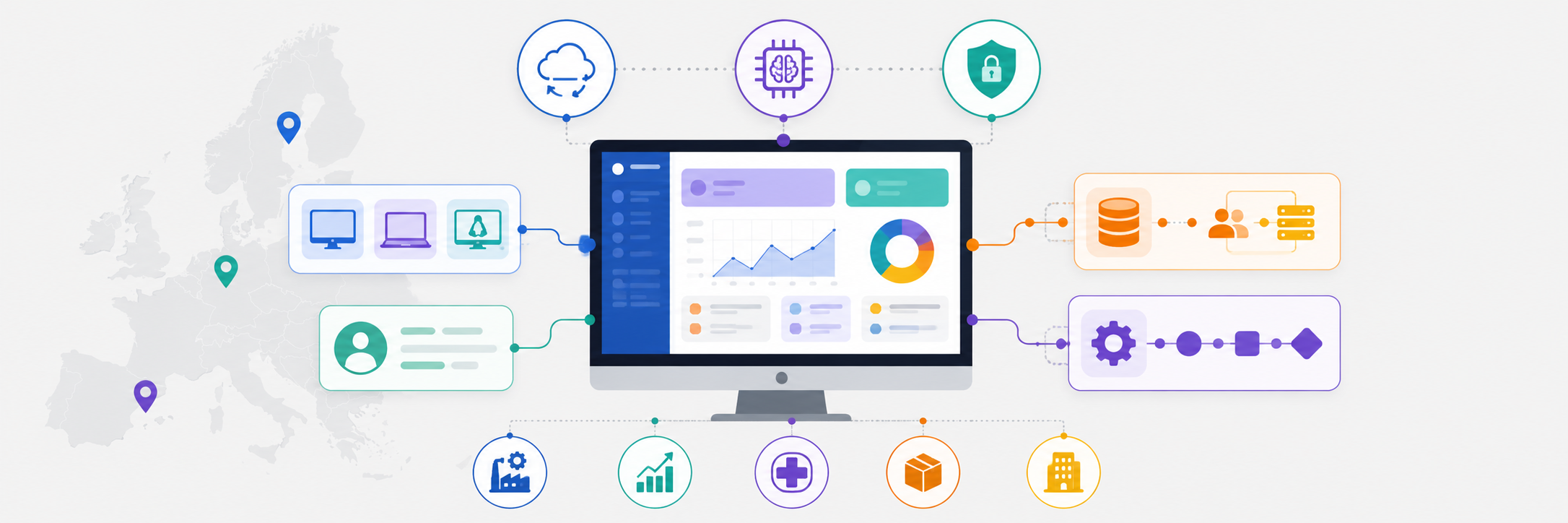
Industries such as manufacturing, engineering, healthcare, finance, logistics, and enterprise operations frequently rely on desktop applications for mission-critical processes.
Many organizations continue investing in professional desktop application development services to build solutions tailored to specialized operational requirements.
1. Cloud-Connected Desktop Applications
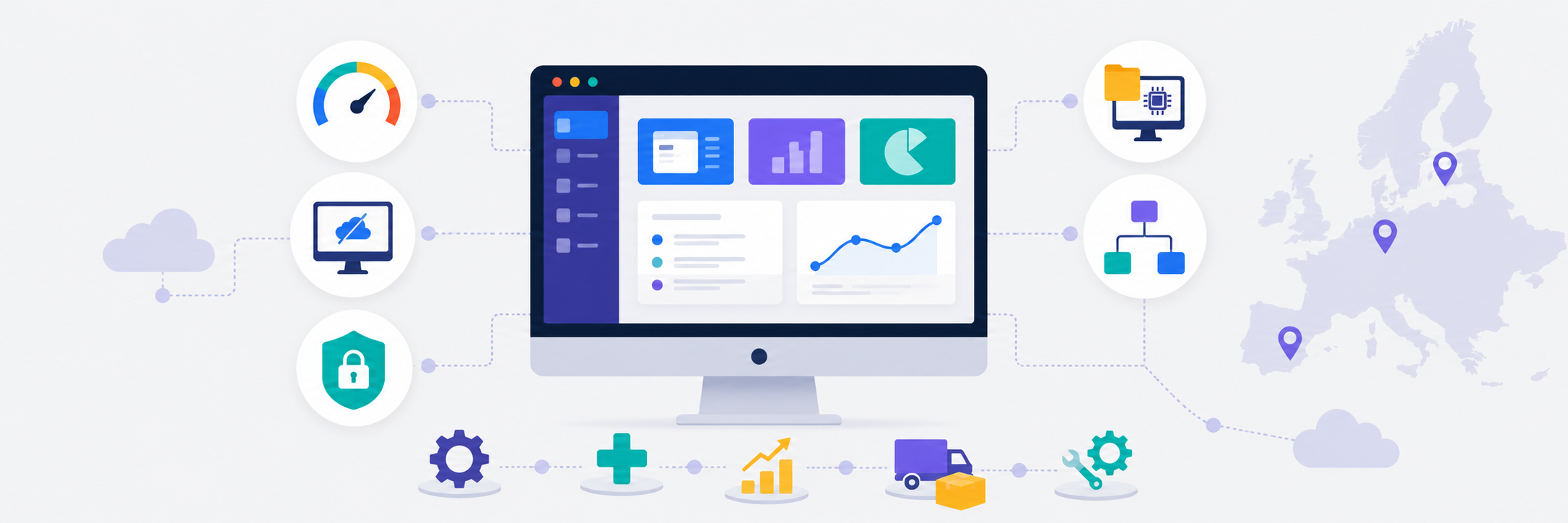
One of the biggest shifts in recent years has been the integration of desktop applications with cloud infrastructure.
This hybrid approach combines the strengths of both environments.
Benefits of Cloud-Connected Desktop Software
- Real-time data synchronization
- Remote accessibility
- Automatic updates
- Centralized data management
- Improved collaboration
Businesses no longer need to choose between desktop performance and cloud flexibility.
2. Stronger Focus on Security
As regulations become stricter and threats become more sophisticated, security has become a major priority in software development.
Modern Desktop Application Development Services increasingly focus on cloud connectivity, security, automation, and scalability.
- Multi-factor authentication
- Data encryption
- Role-based access controls
- Activity monitoring
- Secure API integrations
Security is no longer treated as an additional feature. It's built directly into application architecture.
3. AI-Powered Desktop Applications
Artificial intelligence is influencing nearly every area of software development.
Modern business applications increasingly leverage AI capabilities to:
- Analyze large datasets
- Automate repetitive tasks
- Generate reports
- Improve forecasting
- Support decision-making
Businesses that successfully combine desktop software with AI often gain significant productivity advantages.
4. Cross-Platform Desktop Development
Organizations rarely operate within a single operating system environment anymore. Employees may use Windows, macOS, or Linux depending on their role.
Modern frameworks allow businesses to:
- Maintain a single codebase
- Reduce development costs
- Simplify maintenance
- Ensure consistent user experiences
Cross-platform strategies improve efficiency without sacrificing functionality.
5. Better Integration With Business Systems
Businesses expect applications to communicate with other platforms seamlessly.
Modern desktop solutions frequently integrate with:
- ERP systems
- CRM platforms
- Inventory software
- Accounting systems
- Analytics tools
- Customer support platforms
These integrations improve operational visibility and reduce manual work. Connected software ecosystems help businesses operate more efficiently and make better decisions.
6. Improved User Experience Design
Business software used to prioritize functionality above everything else.
That approach often produced powerful but frustrating applications.
Modern desktop applications increasingly focus on:
- Intuitive interfaces
- Simplified workflows
- Faster navigation
- Personalized dashboards
- Accessibility improvements
Good software should help users complete tasks efficiently without requiring extensive training.
7. Automation-Driven Workflows
Automation continues to reshape business operations across Europe. Desktop applications now play a major role in reducing repetitive work.
Examples include:
- Report generation
- Data processing
- Approval workflows
- Document management
- Inventory updates
- Customer notifications
Automation allows employees to focus on higher-value activities while software handles routine processes. Many organizations exploring automation initiatives begin with modern desktop solutions that support scalable workflow management.
What These Trends Mean for European Businesses
The desktop applications of 2026 are not competing with cloud platforms or mobile apps.
Businesses increasingly rely on integrated digital environments where desktop software serves specific operational roles. Organizations evaluating long-term technology strategies often review resources such as this desktop application development guide to better understand how desktop software fits into modern business ecosystems.
Companies seeking additional insights into industry adoption trends can also explore desktop application development benefits and trends for practical business perspectives.
The businesses that embrace modern desktop technologies are often better positioned to improve efficiency, strengthen security, and support future growth.
Common Mistakes Businesses Should Avoid
1. Assuming Desktop Software Is Outdated
Modern desktop applications continue evolving and remain highly relevant across many industries.
2. Ignoring Integration Requirements
Applications should connect seamlessly with broader business systems.
3. Choosing Short-Term Solutions
Quick fixes often create technical limitations that become expensive later.
4. Neglecting Security Planning
Security should be considered throughout the development lifecycle.
5. Overlooking User Experience
Powerful software loses value if employees struggle to use it effectively.
Final Thoughts
While technology continues evolving, desktop applications remain essential for businesses that require performance, reliability, and advanced functionality.
Desktop Application Development Services continue to help organizations across Europe modernize operations, strengthen security, automate workflows, and support long-term growth.
It's about building the right combination of technologies to support business objectives.
If you're planning a custom desktop application or upgrading existing business software, you can start here: Contact TRK Infratech.