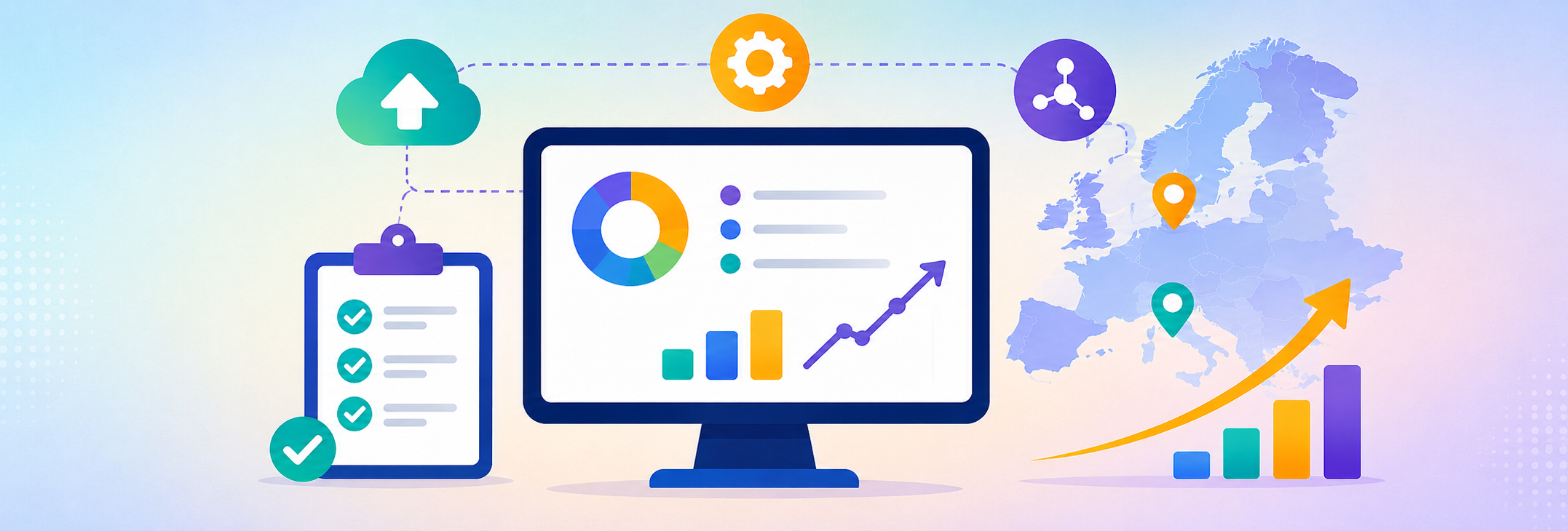

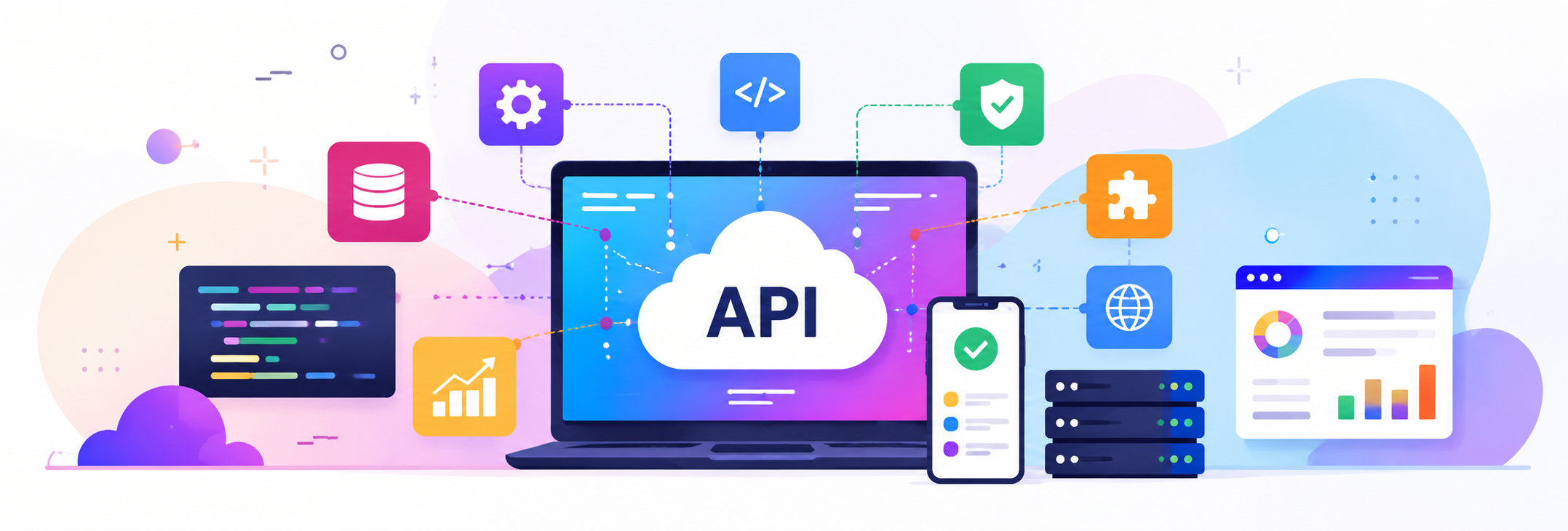
The CRM isn't syncing with the ERP. Customer orders are getting updated manually. Reports take hours to compile. Teams are constantly copying data from one platform to another.
That's where an API Development & Integration Service becomes essential for businesses across Europe. APIs have evolved from technical conveniences into critical infrastructure. They connect applications, automate workflows, improve customer experiences, and support scalable growth.
What Businesses Are Actually Paying For
When companies hear "API development," many assume they're simply paying for code.
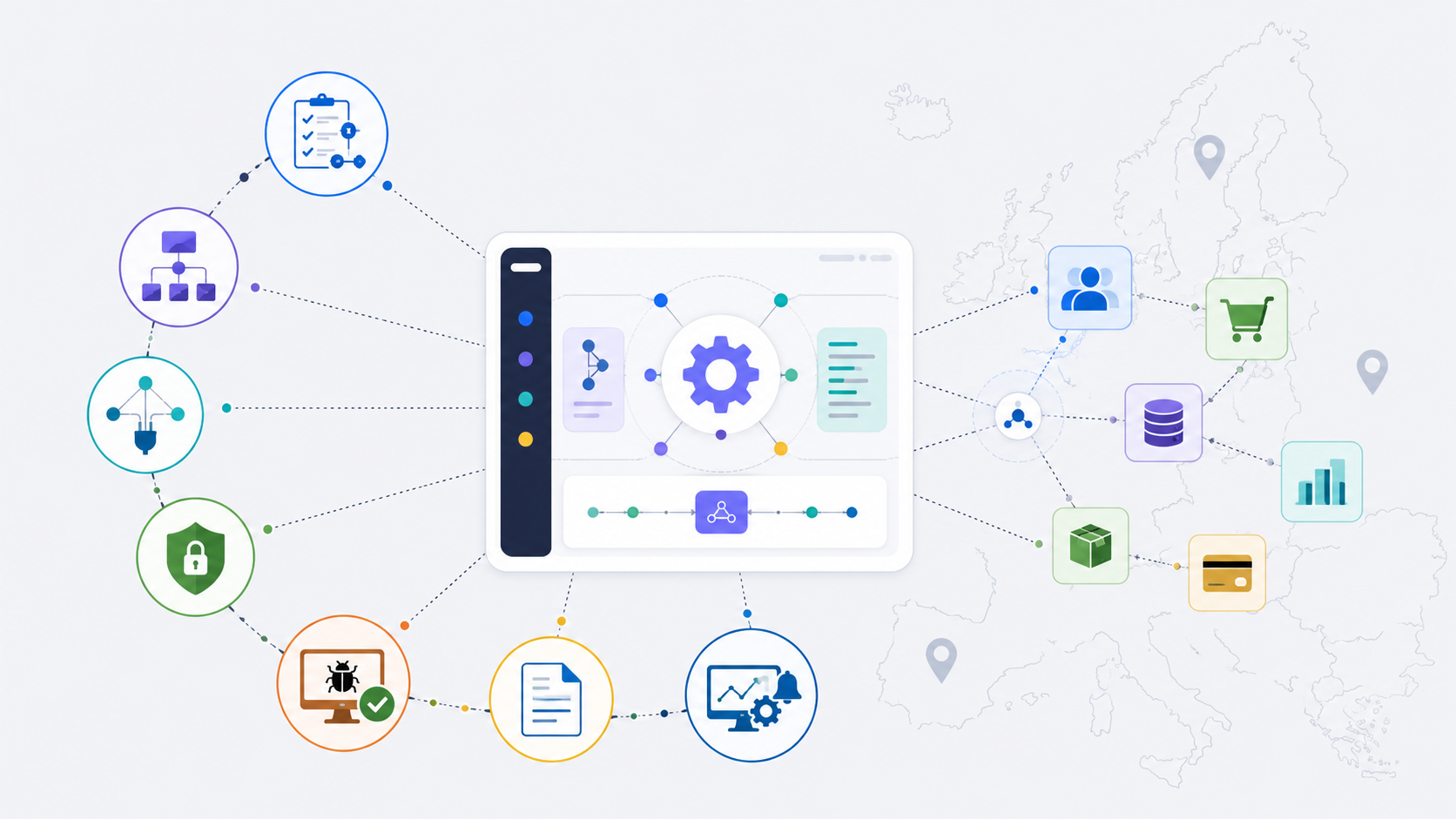
A complete API project often includes:
- Business process analysis
- Architecture planning
- API design
- Security implementation
- System integrations
- Testing and quality assurance
- Documentation
- Monitoring and maintenance
A well-built API isn't just software. It's a communication layer between critical business systems. Organizations seeking scalable integration infrastructure often work with specialized API development and integration services that focus on long-term performance and maintainability rather than short-term fixes.
Factors That Influence API Development Costs
API projects vary dramatically in complexity. Connecting two basic systems is very different from building an enterprise-wide integration ecosystem.
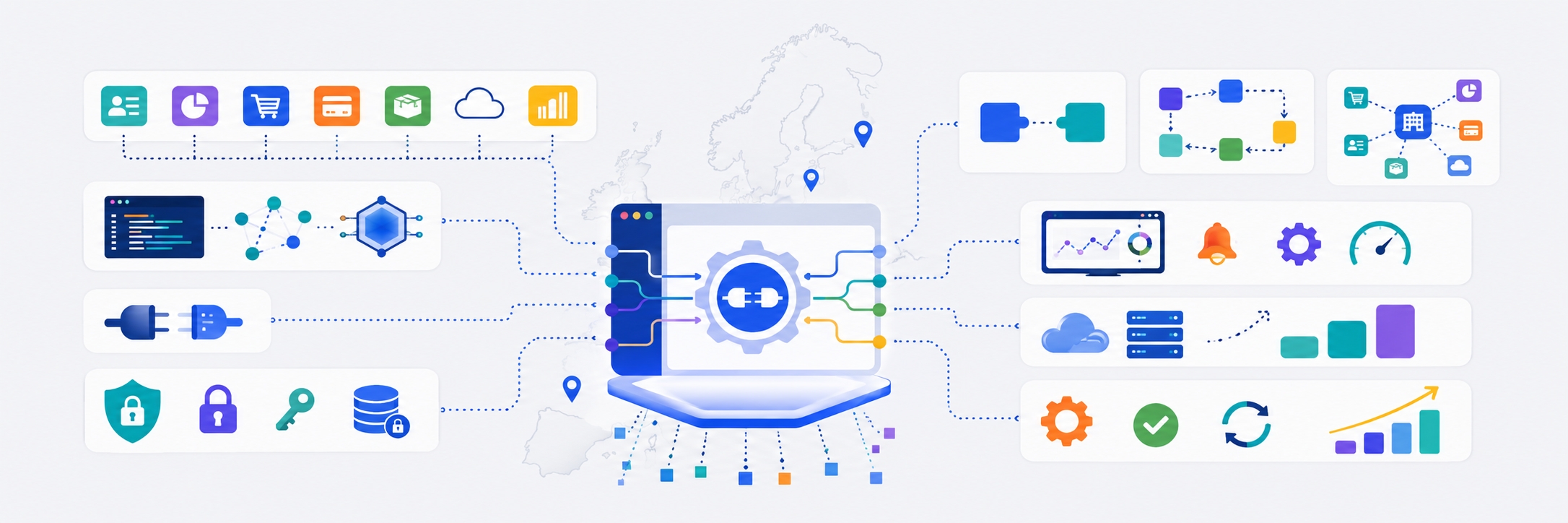
Number of Systems Being Connected
One of the biggest cost factors is how many platforms need to communicate.
Examples include:
- CRM systems
- ERP software
- Ecommerce platforms
- Payment gateways
- Inventory systems
- Cloud applications
- Analytics platforms
Each additional system increases development complexity.
Custom API vs Existing API Integration
Using an existing API is generally less expensive than building a custom API from scratch.
Custom development requires:
- Architecture design
- Endpoint creation
- Authentication systems
- Security planning
- Scalability testing
Custom APIs offer greater flexibility but require more development effort.
Security Requirements
Security has become one of the most significant cost drivers.
Businesses handling sensitive customer or operational data often require:
- OAuth authentication
- Role-based permissions
- Encryption protocols
- API gateways
- Monitoring tools
- Compliance frameworks
The higher the security requirements, the more extensive the development process becomes.
Typical API Project Categories
Most API projects fall into one of three categories.
Simple Integrations
These projects typically involve connecting two existing platforms.
Examples:
- CRM and marketing software
- Payment gateway integrations
- Basic reporting automation
These projects generally require less planning and shorter development timelines.
Medium Complexity Projects
These often involve multiple systems and custom workflows.
- ERP integrations
- Inventory synchronization
- Customer portals
- Data aggregation platforms
Development effort increases because business logic becomes more complex.
Enterprise API Ecosystems
Large organizations often require extensive integration environments connecting numerous systems.
- Enterprise SaaS platforms
- Multi-region operations
- Financial transaction systems
- Healthcare infrastructure
- Logistics networks
These projects typically involve long-term planning, scalability requirements, and ongoing maintenance strategies.
The Hidden Costs Businesses Often Overlook
Many companies focus only on development costs.
It's also where budgeting mistakes happen.
Maintenance and Monitoring
APIs are not "set it and forget it" systems.
They require:
- Performance monitoring
- Security updates
- Version management
- Error tracking
- Infrastructure optimization
Third-Party Platform Changes
External software providers frequently update their APIs.
Those changes may require adjustments to existing integrations.
Scaling Infrastructure
Higher transaction volumes often require infrastructure upgrades.
Ignoring maintenance costs can make an affordable project expensive later.
Why European Businesses Are Increasing API Investments
Digital transformation initiatives continue accelerating across Europe. Organizations are adopting cloud systems, automation platforms, AI tools, and customer experience technologies faster than ever.
The challenge is that every new platform adds another layer of complexity.
Businesses investing in connected digital infrastructure often combine API projects with broader API development and integration strategies to create scalable operational ecosystems.
How API Development Delivers Return on Investment
API projects are often evaluated solely as technology expenses.
That perspective misses the bigger picture: most successful integrations generate value through efficiency gains.
1. Reduced Manual Work
Automated data transfers eliminate repetitive tasks.
Teams spend less time updating records and more time on meaningful work.
2. Fewer Errors
Manual processes introduce mistakes.
Automated integrations improve consistency and accuracy.
3. Faster Decision-Making
Real-time data synchronization gives leadership access to current information.
4. Better Customer Experience
Integrated systems create smoother customer interactions, faster support, and more reliable services.
The real value of APIs often comes from operational improvements rather than technical improvements alone.
Businesses exploring long-term integration strategies can also learn more about the benefits of API development and integration services in Europe and how they support growth-focused organizations.
Common Cost-Saving Mistakes That Become Expensive Later
1. Choosing the Lowest Bid
Cheap development often results in technical debt, security vulnerabilities, and scalability limitations.
2. Ignoring Documentation
Poor documentation increases maintenance costs significantly.
3. Skipping Security Planning
Security retrofits are usually more expensive than building secure systems from the beginning.
4. Building Without Scalability
APIs should be designed for future growth, not just current requirements.
5. Avoiding Maintenance Budgets
Every API ecosystem requires ongoing support.
The cheapest solution today can easily become the most expensive solution tomorrow.
Understanding the Key Factors That Influence API Development Costs in Europe
API development costs can vary significantly depending on project complexity, integration requirements, security needs, and long-term business goals. Before requesting project estimates, businesses should evaluate the factors that directly impact development expenses.
- Number of APIs and systems that require integration
- Complexity of custom API development requirements
- Data security and authentication standards needed
- Expected API usage, traffic, and scalability demands
- Third-party platform integration requirements
- Compliance regulations such as GDPR and industry standards
- Ongoing maintenance, monitoring, and support needs
Understanding these factors early helps businesses plan budgets more accurately and avoid unexpected development costs during implementation.
Final Thoughts
Businesses across Europe are becoming increasingly dependent on connected software ecosystems.
API Development & Integration Service costs can vary widely because every business environment is unique. The real goal isn't finding the cheapest solution. It's finding an integration strategy that delivers long-term efficiency, reliability, and growth.
If you're evaluating integration projects or planning a custom API ecosystem, you can start here: Contact our team .